Floating platform
A lightweight circular arena supported by an air cushion. The mouse's body drives low-friction platform rotation while the head remains fixed.
Experimental system
A head-fixed behavioural platform designed to preserve body-driven orienting while retaining stable access for in vivo neural recording.
Scientific motivation
The floating platform aims to combine stable head fixation with body-driven rotational orienting.
Behavioural platform
The floating arena lets the animal's body drive rotational movement while stationary equipment retains access for acute Neuropixels recordings and two-photon imaging.
A selected reward port presents light or sound.
The mouse rotates the floating arena towards the target.
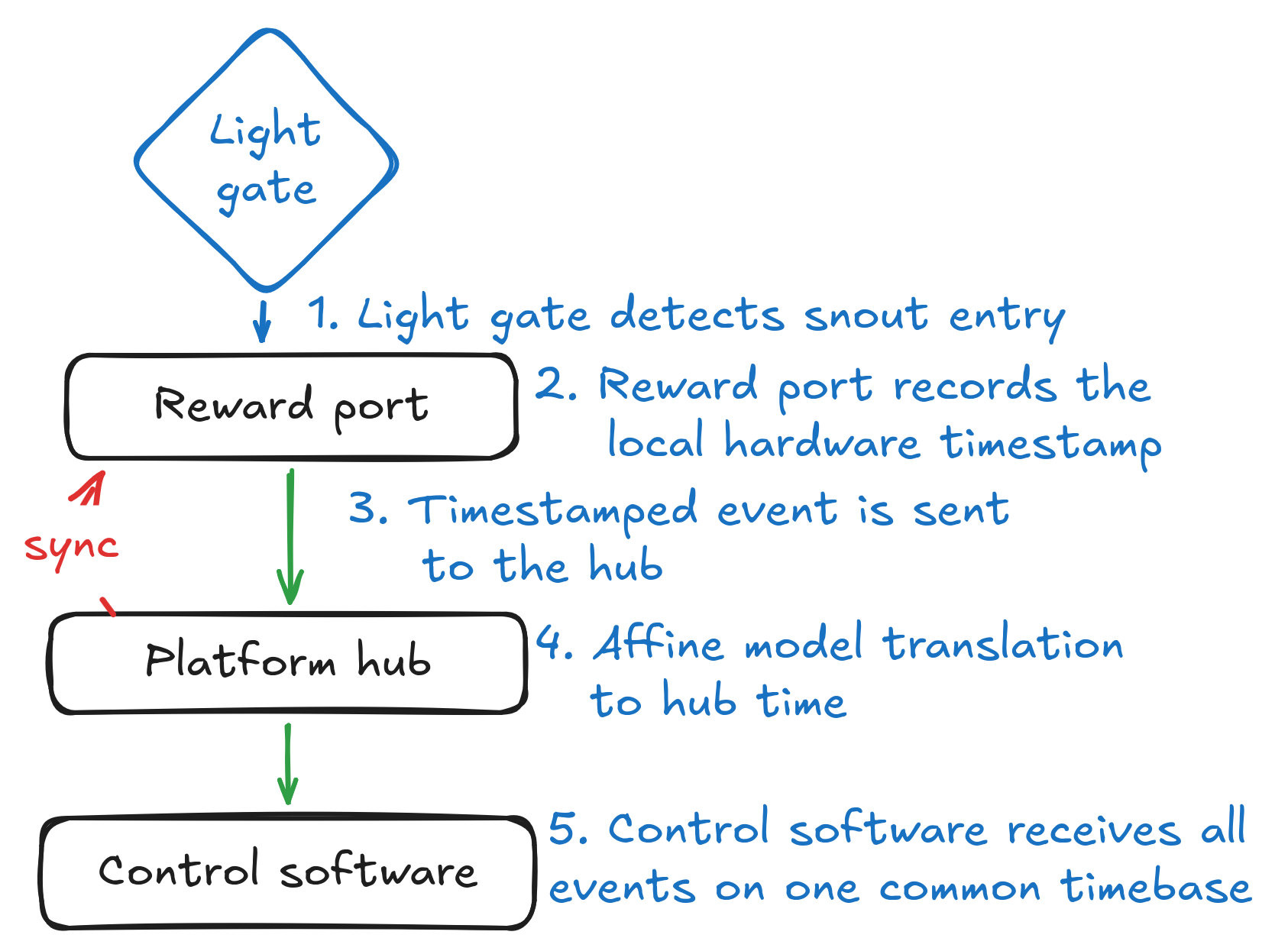
The light gate timestamps snout entry.
Liquid reward is delivered and the event is aligned with neural data.
System components
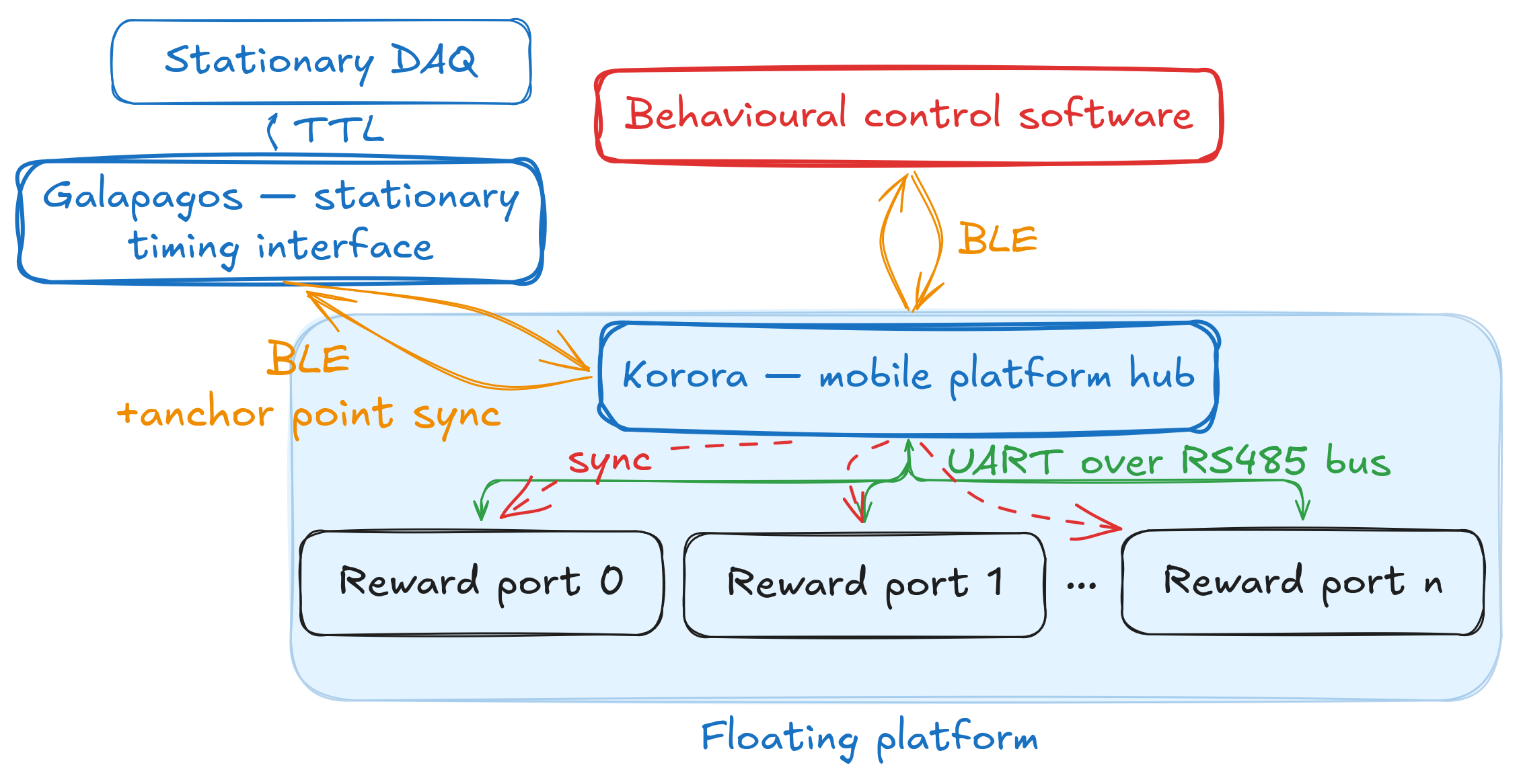
The architecture separates devices that rotate with the platform from the stationary equipment used for acquisition, timing alignment and behavioural control.
A lightweight circular arena supported by an air cushion. The mouse's body drives low-friction platform rotation while the head remains fixed.
Four modular target stations positioned around the arena.
Located on the floating platform.
Located beside the stationary DAQ, Galapagos provides the timing interface for physical TTL alignment.
Communication and timing
BLE is used across the rotating boundary. Within the floating platform, UART over RS485 connects Korora to the distributed Fairy controllers.
Hardware synchronisation pulses and BLE anchor events provide timestamp pairs. Rolling 16-point affine models correct clock offset and oscillator-rate differences between independently clocked devices.
Transport delay changes record arrival time, not the local timestamp assigned to the physical event.
Plot
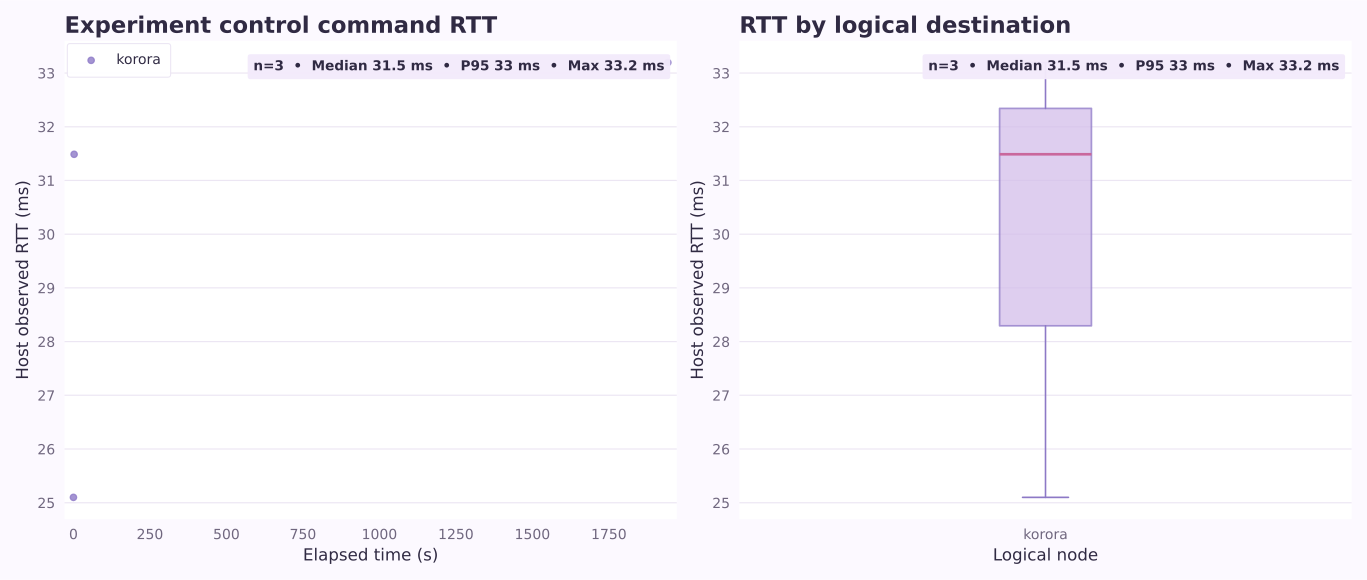
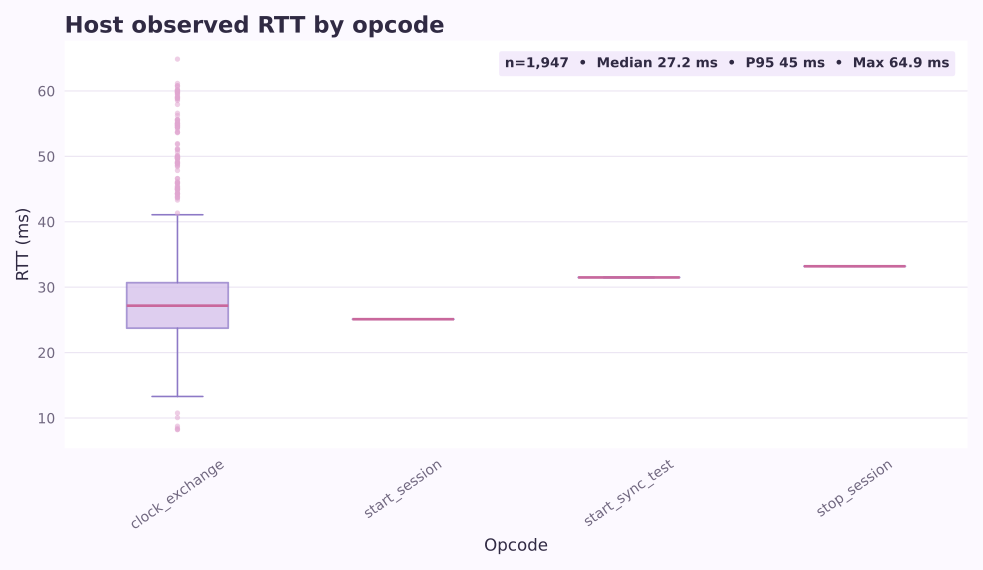
Measures end-to-end latency for non-clock experiment commands.
Plot
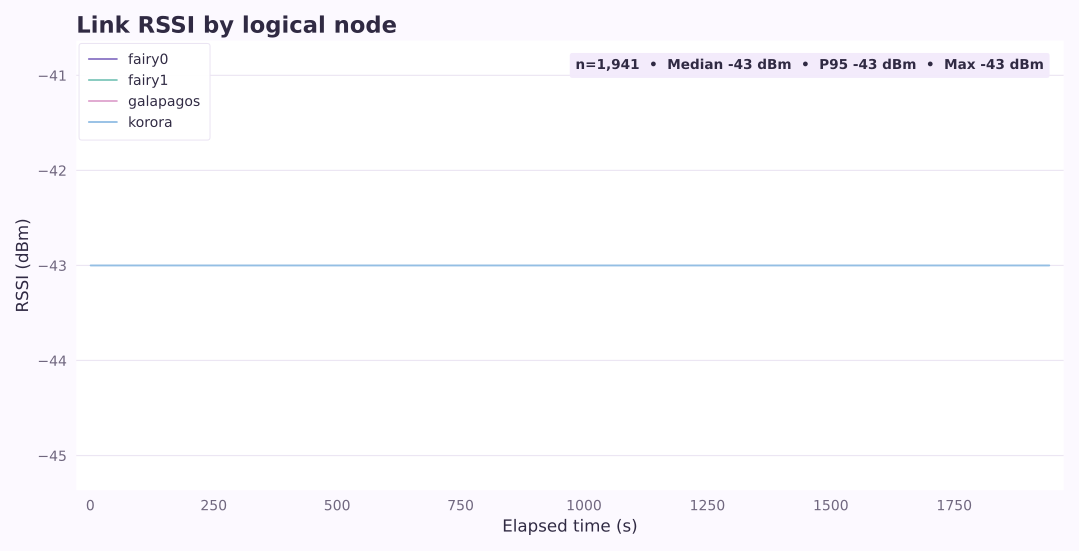
Tracks wireless signal strength and helps distinguish radio degradation from software congestion.
Reward-port design
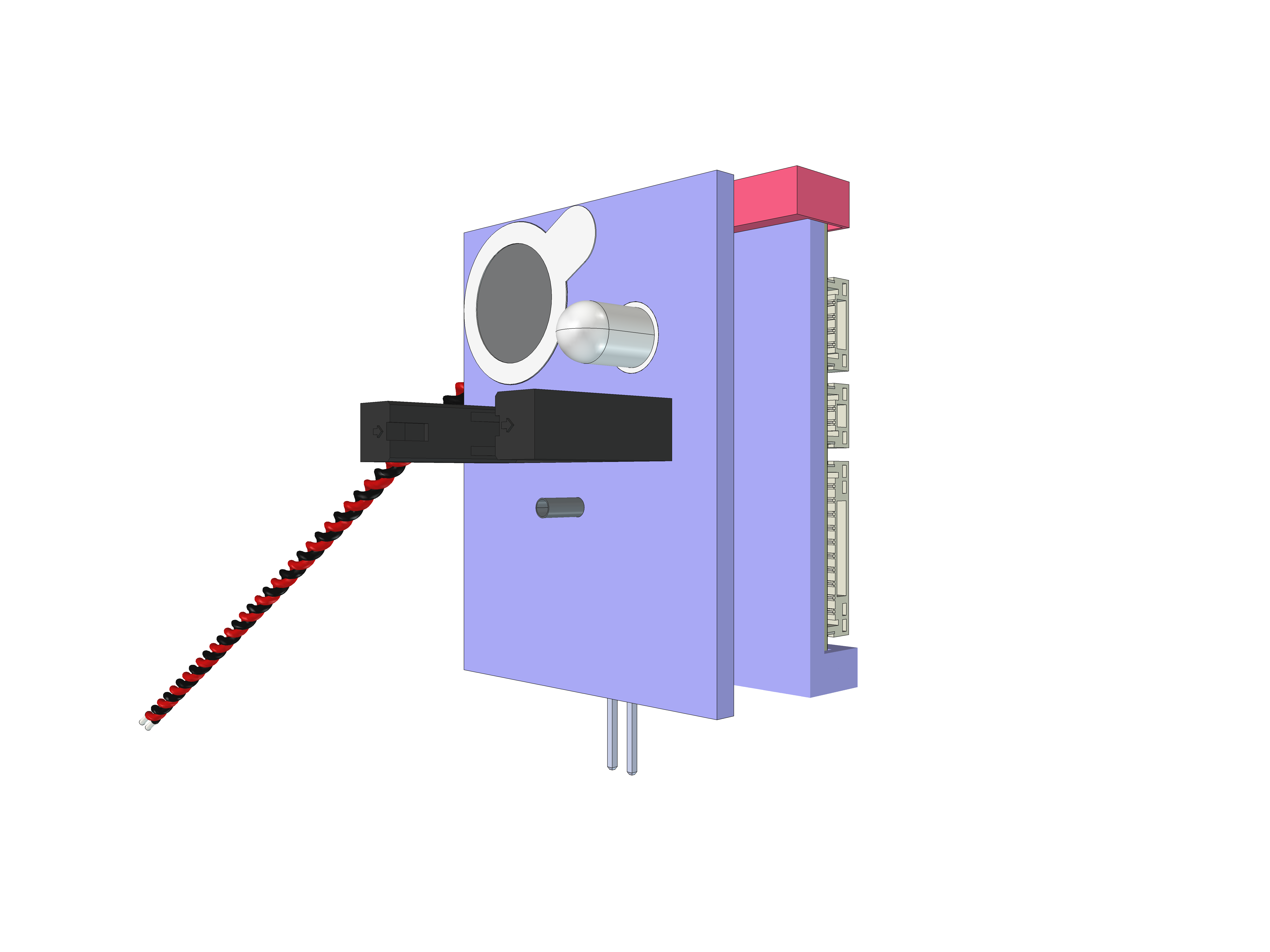
Each reward port independently presents cues, timestamps snout entry and delivers a timed liquid reward.
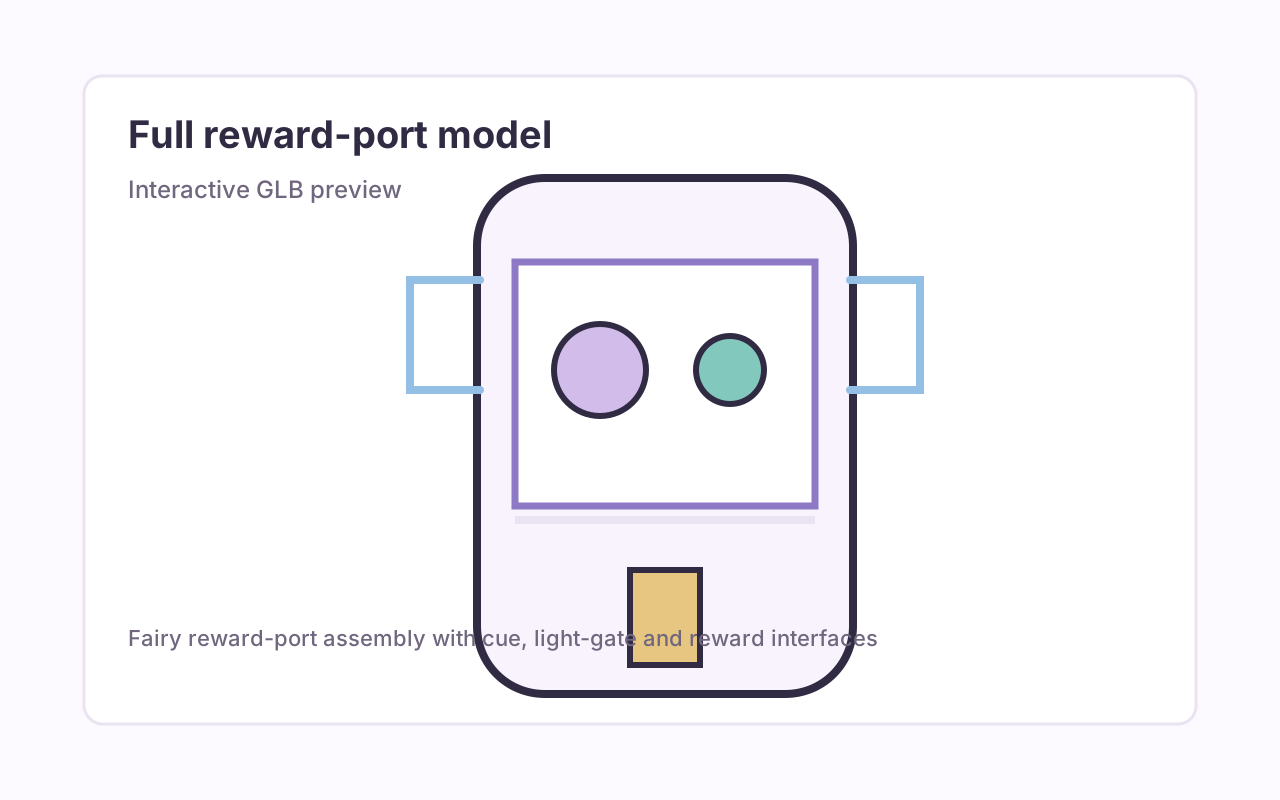
3D model
Interactive GLB model of the full reward-port assembly used for visual inspection of the prototype geometry.
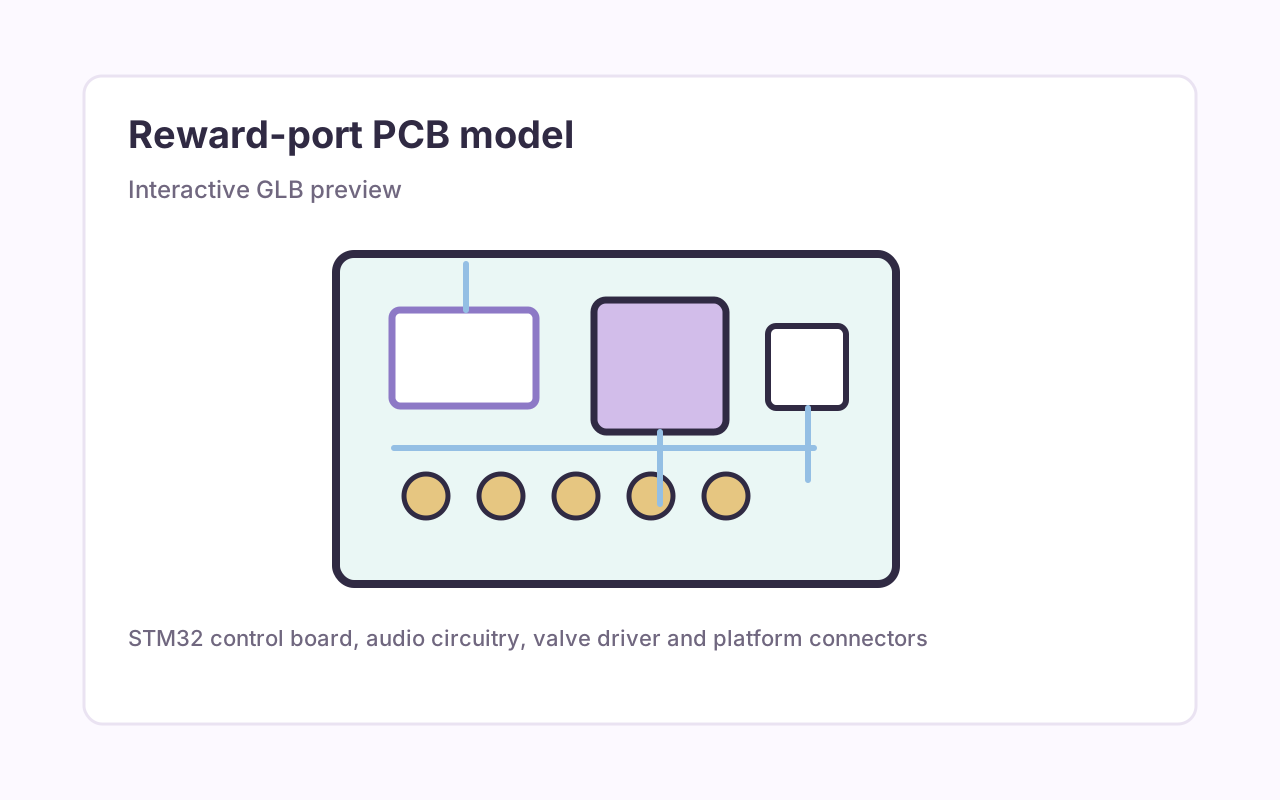
3D model
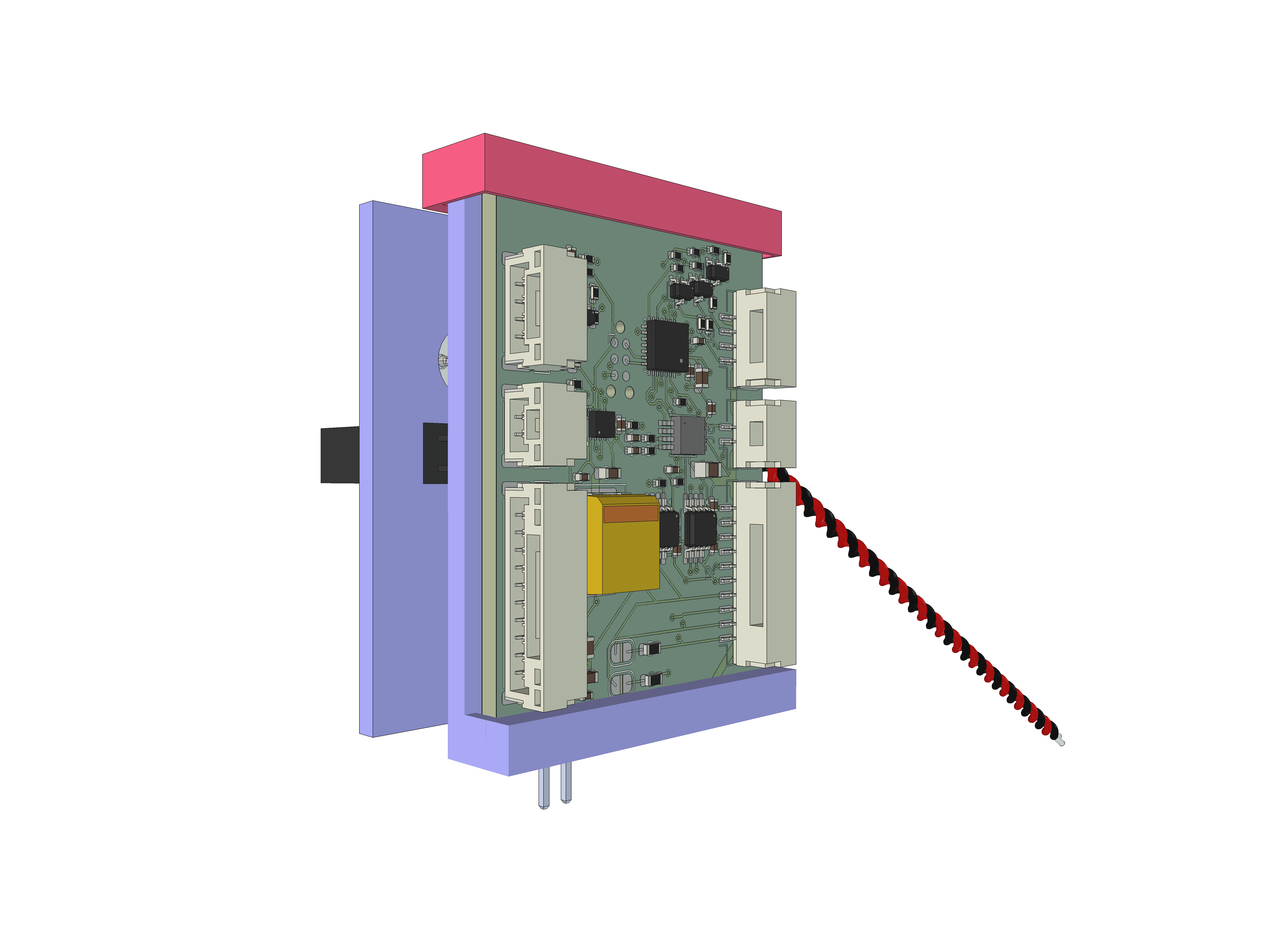
Interactive GLB model of the reward-port control PCB used to inspect board layout and connector placement.
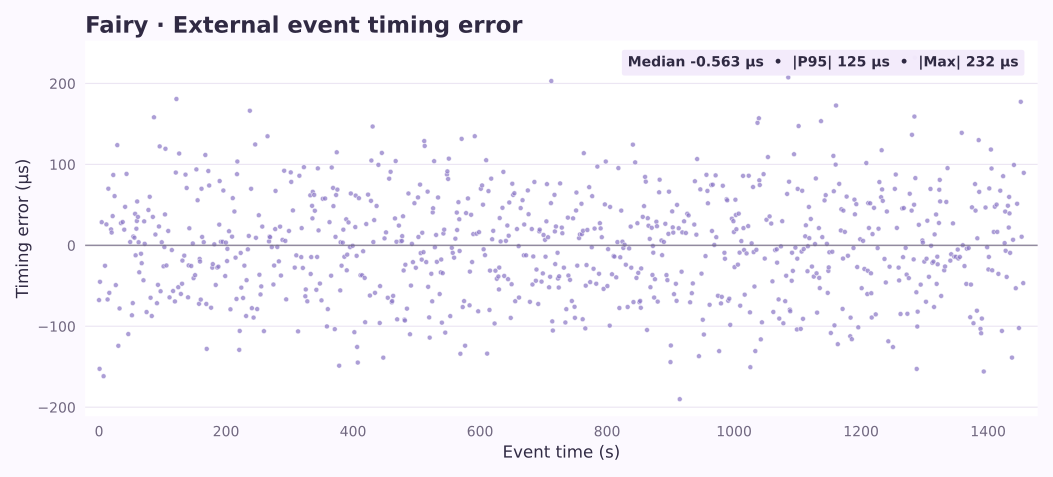
Plot
Tracks converted external-event timing error against the Korora reference.
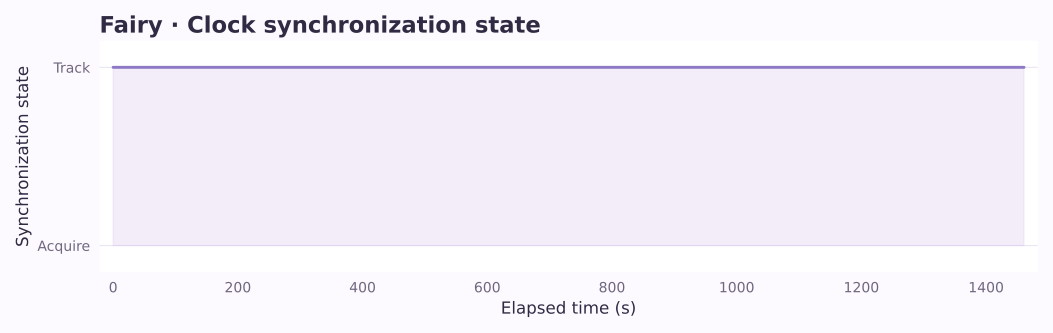
Plot
Shows clock-model availability and reset periods throughout the recording.
Integrated prototype
The current prototype integrates the main electronics and software paths before full arena assembly.
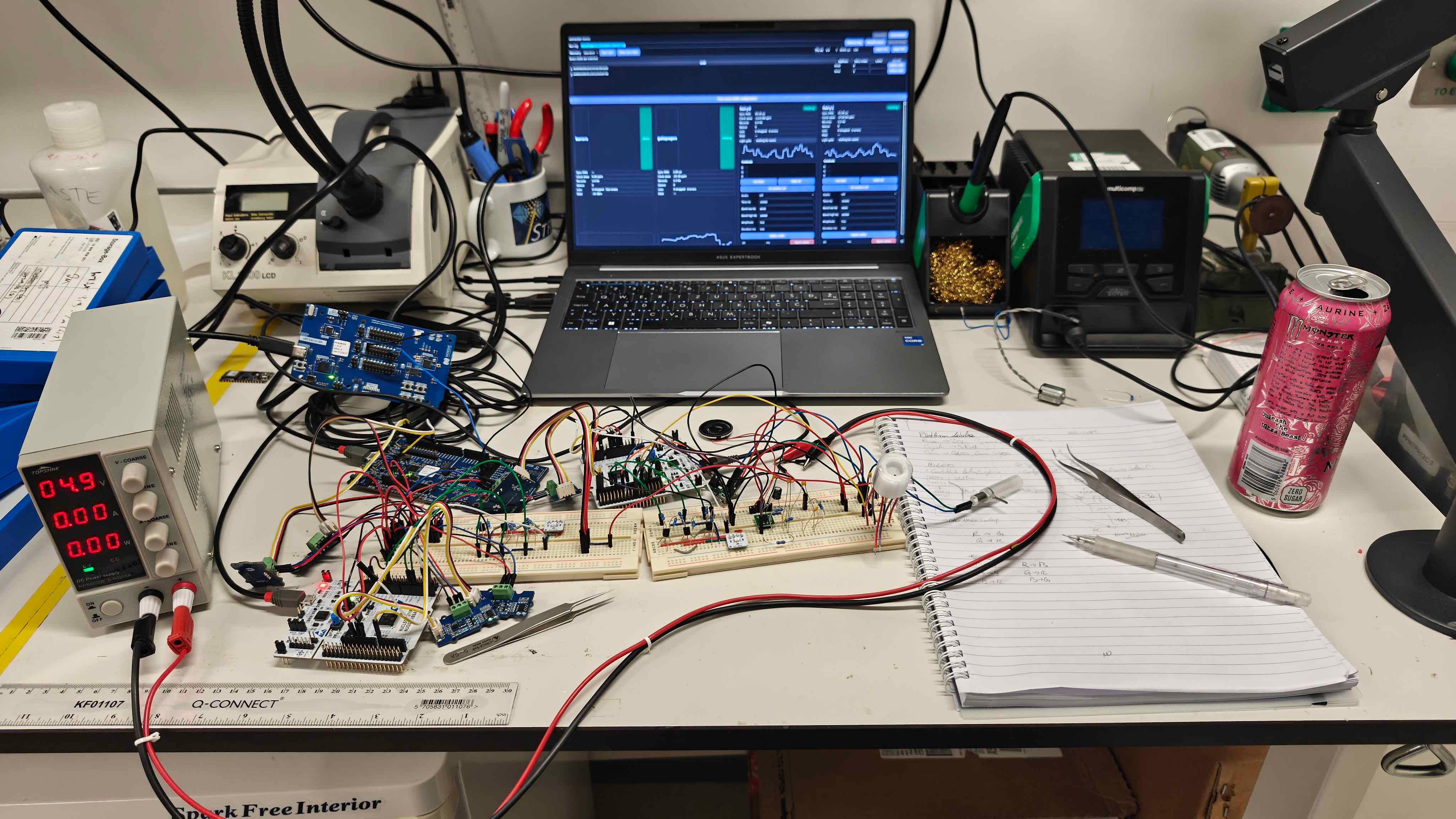
Bench prototype containing the Korora mobile hub, Fairy reward-port controllers, Galapagos timing interface and host control software.
Bench demonstrations of programmable audio playback through a Fairy reward-port controller.
Previous system
The redesign retains the original behavioural concept while adding configurable stimuli, distributed control and traceable event timing.
| Previous platform | Redesigned platform |
|---|---|
| Arduino Nano controller | distributed STM32 reward-port controllers |
| four I2C GPIO expanders | configurable RGB output |
| fixed LED output | configurable tones and band-limited noise |
| fixed-frequency speaker output generated using a 555 timer | local valve actuation |
| central valve control | local light-gate timestamps |
| central light-break detection | BLE across the floating boundary |
| limited timing observability | UART over RS485 within the platform |
| external TTL alignment | |
| automatic controller discovery and addressing | |
| sequence and health reporting |